(067) 38-76-135 >
Mon–Fri 9:00–18:00

0

Cart

No products in the cart.

Author: dev-st

  • Practicing evacuation skills using TQ DNIPRO tourniquets
    Featured Video Play Icon

    Practicing evacuation skills using TQ DNIPRO tourniquets

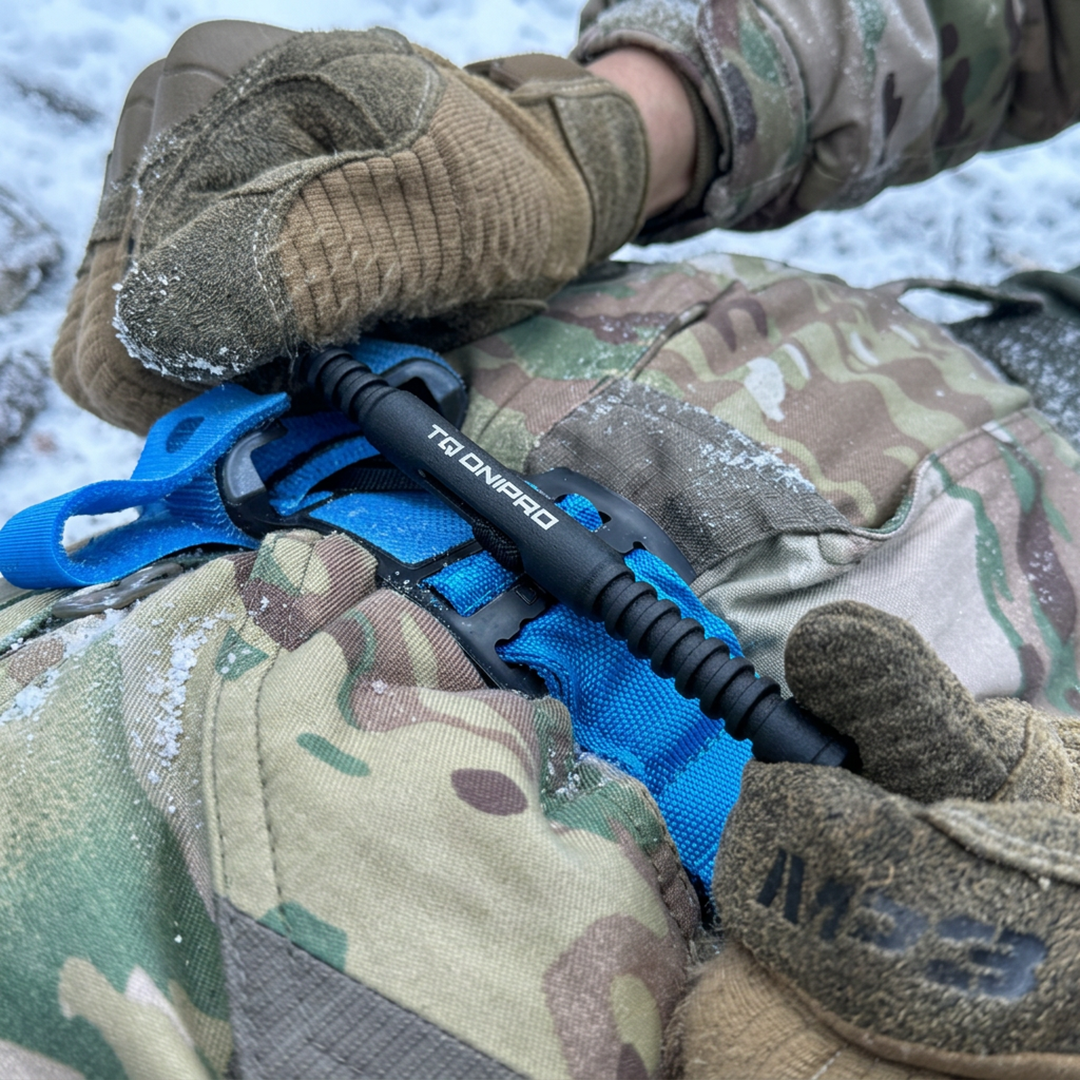
    199th Training Center of the Air Assault Forces. Practicing evacuation skills and providing aid to the wounded in conditions simulating combat, using TQ DNIPRO Gen2 training tourniquets 🟦

    We are glad to contribute to the training process✔️

    TQ DNIPRO tourniquets save lives🛡️

  • Applying the DNIPRO TQ to a lower limb
    Featured Video Play Icon

    Applying the DNIPRO TQ to a lower limb

    Applying a DNIPRO TQ to a lower limb

    DNIPRO TQ training tourniquets allow for effective practice, with the ability to verify proper application on the limbs.

    We appreciate the feedback from instructors at the training center of a military unit! 💙💛

    Would you like to train as well?
    Order via our website: www.tqdnipro.com

  • Mutual aid “under fire”
    Featured Video Play Icon

    Mutual aid “under fire”

    In terms of priority, this is the next type of battlefield care after self-aid. However, the realities of modern warfare—characterized by the dominance of drones equipped with drop systems and FPV (first-person view) drones—turn both the casualty and the rescuer into a collective target. Instead of occupying trenches, infantry are forced to take shelter in “burrows” (dugouts/holes), keeping only the exit under fire control.

    Under these conditions, anyone wounded outside of a shelter is essentially left to provide aid to themselves. The well-known adage, “the best medicine on the battlefield is fire superiority,” becomes particularly relevant for assault groups. ✔️

    Nevertheless, basic first-aid drills—despite how unrealistic their scenarios might sometimes seem—teach the following:
    1️⃣ The readiness to provide first aid while under fire;
    2️⃣ The casualty’s responsibility to verbally declare that they have been wounded;
    3️⃣ The ability to act either upon a commander’s orders or on one’s own initiative, depending on the circumstances;
    4️⃣ How to minimize the risk of being hit while approaching the casualty and performing the only feasible intervention under fire: applying a tourniquet;
    5️⃣ How to visually identify signs of massive hemorrhage while approaching;
    6️⃣ How to establish contact with the casualty;
    7️⃣ How to conduct a rapid assessment to determine whether a tourniquet is necessary;
    8️⃣ How to apply tourniquets correctly;
    9️⃣ How to evacuate quickly.

    ☝️ Always remember: the skills you have acquired are the only things that will actually work in an extreme situation.

    Special thanks to the 199th Training Center for the video. ✔️

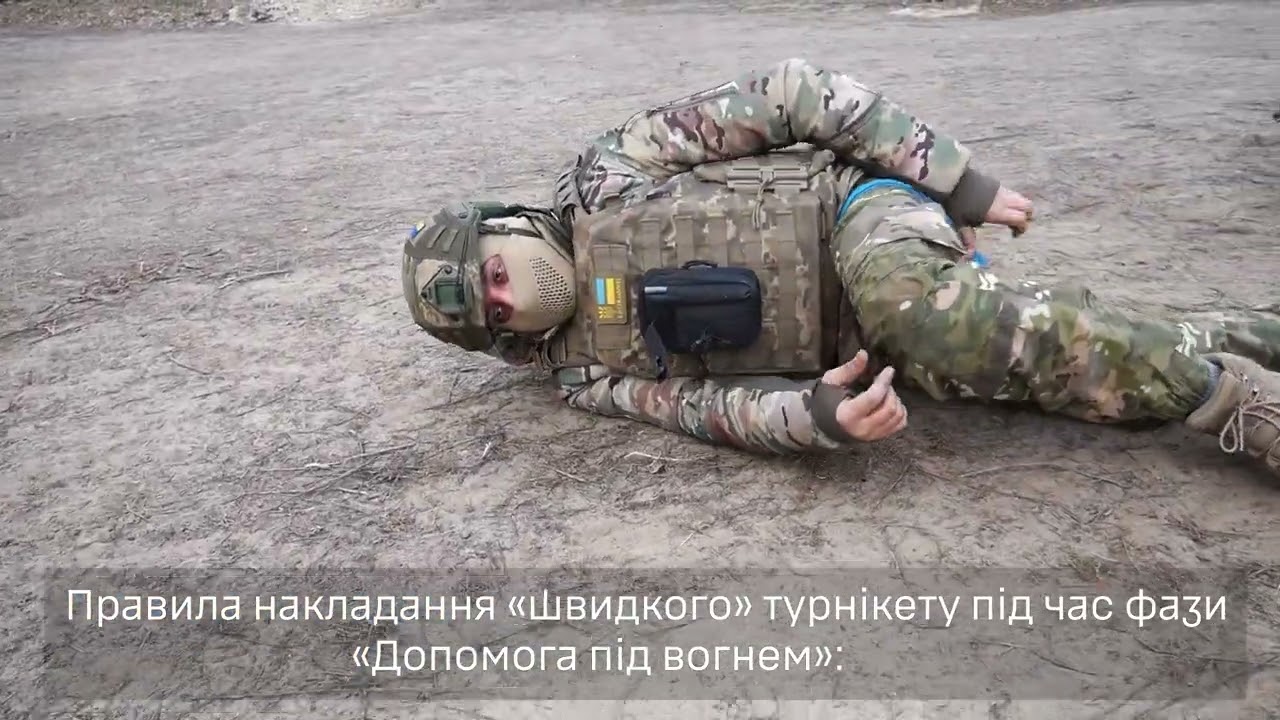
  • Self-aid. “Quick-application tourniquet.” Care under fire.

    Self-aid. “Quick-application tourniquet.” Care under fire.

    “In a critical situation, you will not rise to the level of your expectations; instead, you will fall to the level of your capabilities.” This well-known adage underscores the necessity of constantly practicing your skills—especially self-aid on the battlefield, which is the top priority during the “Care Under Fire” phase.

    Push yourself to physical exhaustion! Only then can you approximate the physical state and the loss of spatial awareness experienced by a wounded person.

    🔸Make the “first pass” tight—pull it hard! Pull as if this is your one and only chance to stop the bleeding and save your life!
    🔸Twist the windlass until it stops, then give it another half-turn!
    This must become a single, fluid motion—one seamless action!

    Train! Don’t let the enemy kill you.

    The video demonstrating tourniquet application is provided by the 199th Training Center.

PRODUCT CATALOG BECOME A PARTNER
SELECTED
DOWNLOAD CATALOGUE Information
Contacts
Store address
Dnipro city
Phone
0800 35 36 28
Schedule
Mon–Fri 09:00–18:00